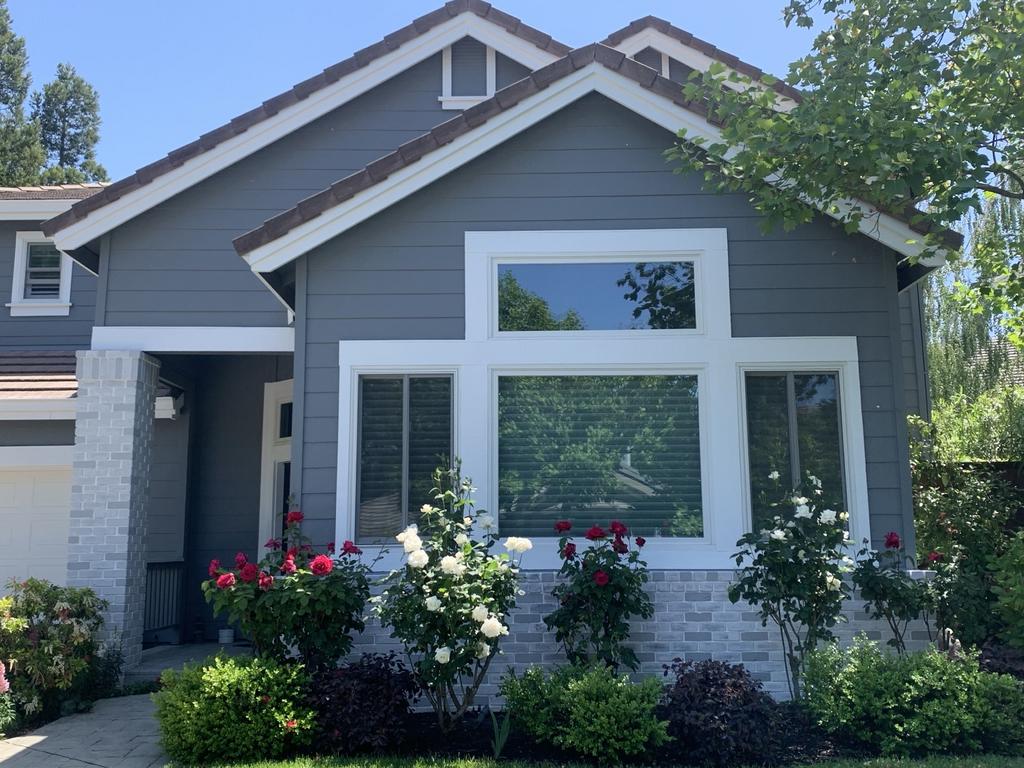

If you’ve noticed exterior paint peeling along your siding, trim, or stucco this year, you’re not the only homeowner in Danville, Orinda, Walnut Creek, Lafayette, or Alamo dealing with it. Every season, I get calls about paint that looked fine last year and is now bubbling, cracking, or lifting clean off the wall. Peeling paint is never just a cosmetic issue. It’s one of the clearest signs your home can give you that something underneath the surface needs attention, whether that’s trapped moisture, old prep work, or a coating that was never suited to our climate. That’s exactly what our exterior house painting service is built to sort out before a brush ever touches your wall.


What’s Actually Making Your Exterior Paint Peel
In my years walking East Bay homes, the real cause behind peeling paint is almost always moisture, not age. Water finds its way underneath the paint film in places that are easy to miss from the ground. Worn caulking around windows and trim is one common entry point. Gutters that dump water down the siding instead of away from it are another. Even moisture from inside the house can work its way out through the wall. All three can get trapped beneath a coat of paint. Once that happens, the paint loses its grip and starts to lift. It does not matter how good the brand was. Sherwin-Williams’ own technical guidance on exterior paint failure points to the same culprits. Leaking rooflines top the list. Clogged gutters come next. Painting a surface that was not fully dry rounds it out.
Sun exposure plays a role too, especially on south and west facing walls that take the brunt of the day’s heat. Paint that’s five, six, or seven years old has absorbed a lot of California sun by the time it starts to fail. And if the surface was sanded or primed incorrectly the first time around, even a brand-new paint job can peel within a single season.
Why Peeling Paint Is More Than a Cosmetic Problem
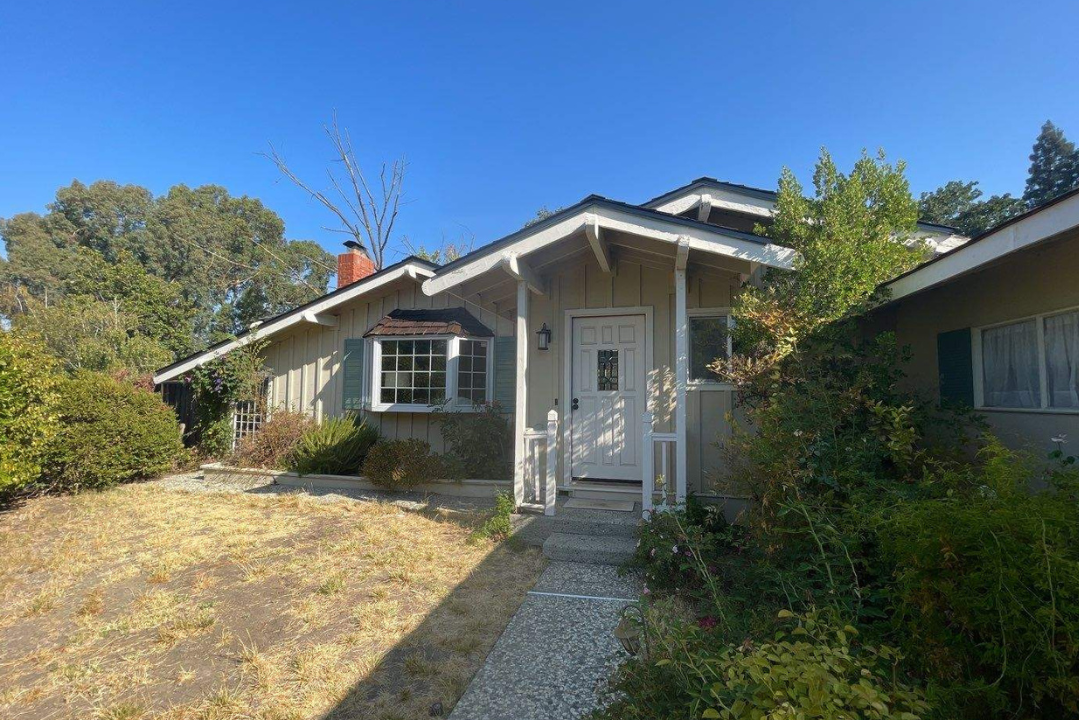
Here’s the part most homeowners don’t think about until it’s already a bigger job: paint is doing more than making your house look nice. It’s the seal that keeps water out of your wood trim, siding, and stucco. Once that seal breaks and gets left alone, moisture keeps working on whatever is underneath, and wood rot or mold can set in long before you notice a soft spot or a musty smell.
There’s a second issue specific to older East Bay neighborhoods. Many homes in Danville, Orinda, Lafayette, and Alamo were built before 1978, which means there’s a real chance the older paint layers underneath contain lead. The EPA’s lead safe renovation and repair rules address this directly. Disturbing more than 20 square feet of exterior paint on a home built before 1978 calls for certified, lead safe work practices. A weekend of scraping and sanding does not meet that standard. Peeling paint on an older home isn’t only a curb appeal problem. It can be a health question for your family, and it deserves to be treated that way.
The DIY Risk Homeowners Don’t See Coming
A fair number of homeowners try to handle peeling paint themselves before calling anyone, and that instinct makes sense. A scraper and a gallon of paint feel like a weekend project. The trouble is that scraping, sanding, or pressure washing without knowing what’s underneath can spread lead dust through your yard and home if the house is older, and painting over a surface that’s still damp just delays the same failure. I’ve been called out to homes where a well-meaning weekend repaint had to be redone within a year because the moisture source was never found in the first place.
None of this means anyone did something wrong. It means peeling paint is one of those problems that looks simple from a ladder and rarely is. The fastest way to know whether you’re looking at a quick fix or something bigger is to have someone who does this work every day walk the exterior with you before a single can of paint gets purchased.
Signs Your Peeling Paint Needs a Closer Look
Not every peeling wall needs the same fix, and a quick glance from the driveway can be misleading. Here’s a general breakdown of what different signs tend to point to.
| What You’re Seeing | What It Usually Means |
|---|---|
| Small flakes on trim or fascia boards | Sun and age; typically a straightforward repaint |
| Large sheets peeling off the siding | Moisture trapped underneath; repair needed before repainting |
| Peeling paint near gutters or downspouts | Water overflow feeds moisture behind the paint |
| Soft or bubbled wood beneath the paint | Possible wood rot; needs carpentry repair first |
| Peeling paint paired with a musty smell | Possible mold growth behind the surface |
How We Fix Peeling Paint the Right Way
When we get called out for peeling paint, we don’t start with a paint can. We start by figuring out where the water came from and fixing that first, whether that’s re-caulking a joint, clearing a gutter, or handling a small carpentry repair on a damaged board. Only once the surface is dry and sound do we move into the actual painting process.
Our exterior house painting work follows the same sequence on every job: power washing to strip away loose material, sanding and priming exposed areas, then a full coat using Benjamin Moore products chosen for California’s sun and coastal air. We back that work with a five to seven year warranty that specifically covers peeling, flaking, and color fade, because we want our name attached to paint that actually holds up.
What a Proper Fix Protects You From
A paint job that addresses the real cause instead of covering it up protects you from paying for the same repair twice. It also protects the parts of your home you can’t see from the street: the wood framing, the sheathing, and the insulation that a slow leak can quietly damage over a few seasons.
The homeowners we hear from most often after a proper repair and repaint say the same thing. The color looks right. The surface feels smooth to the touch. And they stop bracing for that one spot every time it rains. That peace of mind is the actual point of the work, not just a fresh coat of color.