A fresh coat of paint can do wonders for your commercial space—boosting curb appeal, enhancing brand image, and creating an inviting environment for clients and employees alike. However, successfully executing a commercial painting project requires careful planning and preparation. Proper preparation not only ensures a high-quality finish but also minimizes disruptions to your business operations and prevents costly mistakes.
If you’re gearing up for your next commercial painting project, here’s a comprehensive step-by-step guide on how to prep your business for a smooth, efficient, and successful transformation.
1. Define Your Goals and Scope
Before contacting painting contractors, clearly outline what you want to achieve with the project.
- Identify areas to be painted: Are you painting the entire building, just the interior, or specific facades?
- Specify color schemes and finishes: Do you want a modern look, brand-specific colors, or neutral tones? Consider gloss levels and textures.
- Set a timeline: Establish when you want the project to start and finish, keeping in mind your business hours and peak times.
- Determine budget: Know your financial boundaries to help select the right contractor and scope.
Having a clear vision will help you communicate effectively with contractors and obtain accurate estimates.

2. Choose the Right Painting Contractor
Selecting a reputable, experienced contractor is crucial.
- Research and reviews: Look for contractors with a solid track record in commercial projects.
- Licensing and insurance: Verify they are licensed and insured to protect your business from liability.
- Request quotes: Obtain detailed estimates that include scope, materials, timeline, and costs.
- Review portfolio: Ask for examples of similar projects to assess quality.
A professional contractor will also assist in planning the logistics, ensuring minimal disruption to your daily operations.
3. Plan for Business Operations and Disruptions
Commercial painting often requires some level of business disruption, so strategic planning is essential.
- Schedule wisely: Plan to paint during off-hours, weekends, or holidays to minimize interference with your business activities.
- Notify stakeholders: Inform employees, clients, vendors, and anyone else affected about the project schedule.
- Create a dedicated workspace: If feasible, set up a temporary area for employees or customers away from the work zone.
- Coordinate access: Arrange for contractors to access all necessary areas, including storage, electrical outlets, or restricted zones.
Clear communication and planning will help maintain a professional environment during the project.
4. Prepare the Space
Proper preparation of your business premises is vital for achieving a high-quality finish.
- Clear furniture and fixtures: Move furniture, equipment, and décor out of the way or cover them securely.
- Protect flooring and surfaces: Use drop cloths, plastic sheeting, and painter’s tape to shield floors, carpets, and fixtures.
- Remove or cover electrical outlets and switches: Protect these elements from paint splatters.
- Clean surfaces: Ensure walls and surfaces are free of dust, grease, or debris to promote adhesion.
- Address repairs: Fix holes, cracks, or peeling paint to ensure a smooth surface.
Well-prepared spaces lead to cleaner work and better results.
5. Communicate Your Expectations and Special Requirements
Set clear expectations to align the project with your business needs.
- Specify areas to be painted or avoided: Highlight sensitive zones, artwork, or equipment that should remain untouched.
- Discuss safety protocols: Ensure contractors follow OSHA or relevant safety standards, especially in busy environments.
- Determine access times: Clarify when contractors can access restricted areas.
- Request quality standards: Confirm that the contractor will use appropriate primers, paints, and techniques.
Open communication helps prevent misunderstandings and ensures the final outcome meets your standards.
6. Coordinate with Building Management and Staff
If your business is in a shared building or leased space, coordinate with building management.
- Obtain necessary permits or approvals: Some buildings require permission for painting work.
- Schedule around other tenants: Coordinate to minimize conflicts or overlapping schedules.
- Address security: Ensure contractors have access codes or keys, and know security protocols.
Inform your staff about the project timeline so they can plan accordingly and provide feedback.
7. Manage Environmental and Safety Concerns
Commercial painting involves fumes, dust, and potential hazards.
- Ventilation: Ensure proper airflow during and after painting to disperse fumes.
- Fire safety: Store paints and solvents safely, away from heat sources.
- Waste disposal: Arrange for proper disposal of paint cans, brushes, and other materials in accordance with local regulations.
- Emergency preparedness: Have safety equipment like masks, gloves, and eye protection available for workers and staff.
Prioritizing safety protects everyone involved and maintains compliance.
8. Final Inspection and Touch-Ups
Once the painting is complete, conduct a thorough inspection.
- Check for consistency: Ensure color matches specifications and coverage is even.
- Look for imperfections: Identify drips, runs, or missed spots that need touch-ups.
- Verify clean-up: Confirm that the workspace has been cleaned, with no debris or paint residue left behind.
- Take photos: Document the completed work for future reference or warranty purposes.
Address any issues promptly with your contractor to achieve a flawless finish.
9. Post-Project Communication
After completion, provide feedback to your contractor.
- Express satisfaction or concerns: This helps build a good relationship and improves future projects.
- Request warranties or guarantees: Clarify coverage for any future touch-ups or issues.
- Plan maintenance: Discuss how to keep your new paint looking fresh, including cleaning and touch-up schedules.
Proper follow-up ensures your investment remains protected and long-lasting.
Final Thoughts:
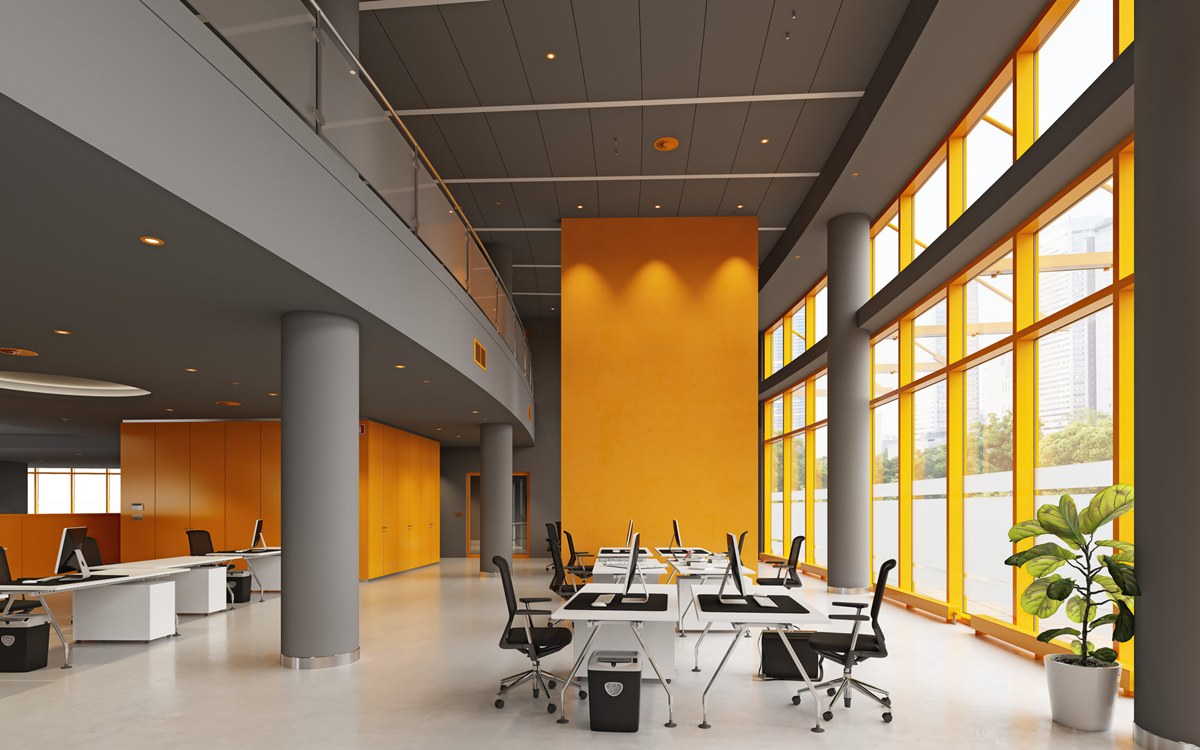
Preparing your business for a commercial painting project is a vital step toward achieving professional, durable, and visually appealing results. By defining your goals, choosing the right contractor, planning around your operations, and ensuring proper space preparation, you can minimize disruptions and maximize satisfaction.
Remember, open communication and detailed planning are your best tools for a smooth project. With thorough preparation, your refreshed space will not only enhance your brand image but also create an environment that inspires confidence and comfort for everyone who walks through your doors.
Need help deciding when to repaint your deck and fence in your home? Let the experts at Woodiwiss Painting guide you. Our team offers top-tier deck and fence painting services.
Call us at 925-489-0941 today to schedule your free consultation.