You picked the color and cleared your calendar. Now one real question remains: how long does it take to paint a house exterior? It is a fair thing to wonder. The project turns your home into a construction zone until the final coat dries. The honest answer to how long does it take to paint a house is short. It depends on several factors you can size up in advance. Our team handles exterior house painting in Danville by mapping the schedule first, so you know what each day holds before we ever start.

How Long Does It Take to Paint a House? Start With These Factors
No two homes paint on the same clock, and the differences are easy to spot once you know where to look. Size comes first, and a single-story ranch has far less surface to cover than a three-story home with tall gables. As a rough benchmark, a 1,500 square foot home in good shape often lands close to four days with a three-person crew. Condition comes next, since sound, recently painted siding moves fast, while wood that is peeling or chalky needs real repair before any color goes on.
Then there is the detail work, and it adds up faster than most people expect. Heavy trim, shutters, and railings each get their own careful pass. A second or third color also means more cut-in time and more drying between coats. Crew size changes the math as well. Two or three painters cover an average home much faster than one person working weekends. So when we quote your exterior house painting, every one of these factors shapes the number of days on the calendar.
A Day-by-Day Exterior Painting Timeline
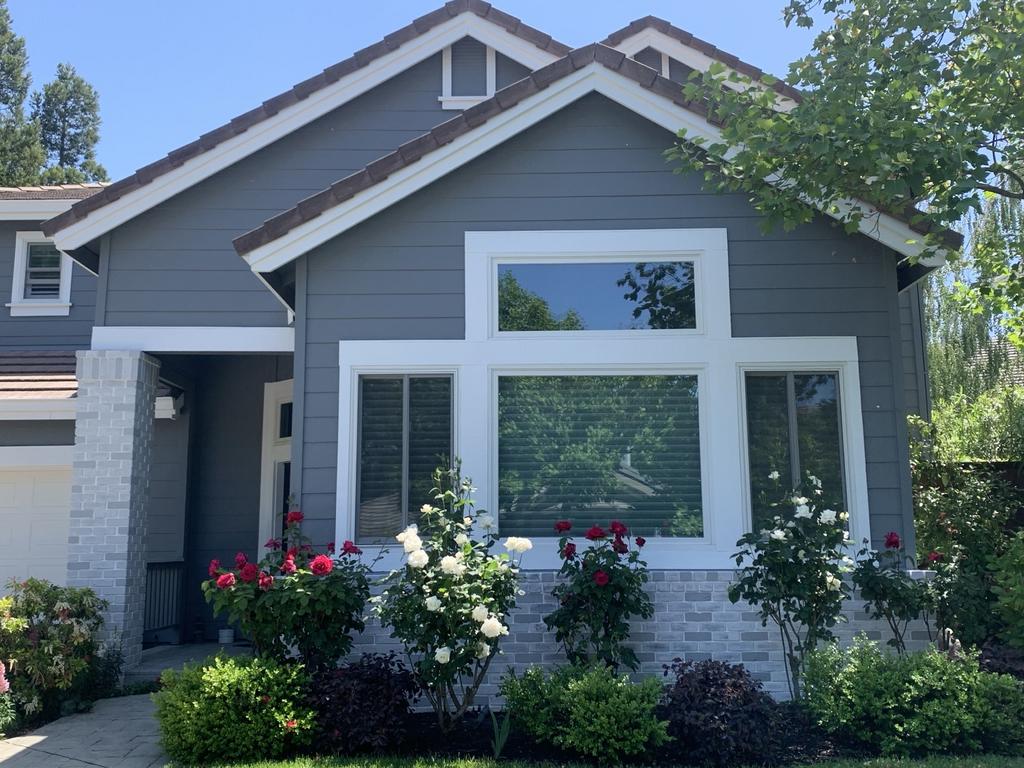
Picture an average one or two-story home with four bedrooms or fewer. A crew of two to three painters usually wraps that home in three to five working days. Bigger homes with three stories or five-plus bedrooms tend to run five to seven days. Here is how those days normally break down.
A cold snap or a rainy stretch can push any of these steps, so we build a little room into every plan.
Why Prep Work Takes Half the Schedule
This part surprises many homeowners. At least half of an exterior project is prep work, not the painting itself. The finish only lasts as long as the surface underneath it. Paint laid over dirt, loose layers, or damp wood will lift and flake within a season. So the scraping, sanding, and caulking days are the ones that quietly protect your money.
Older homes add one more step to the front of the schedule. Was your house built before 1978? Then the prep has to follow the lead-safe practices set by the U.S. Environmental Protection Agency, which call for trained, certified crews and careful containment of dust. Danville has plenty of established streets where this rule applies. Because we plan for that work upfront, it never turns into a surprise that stalls the whole job midweek.
The Best Time to Paint a House Exterior in Danville
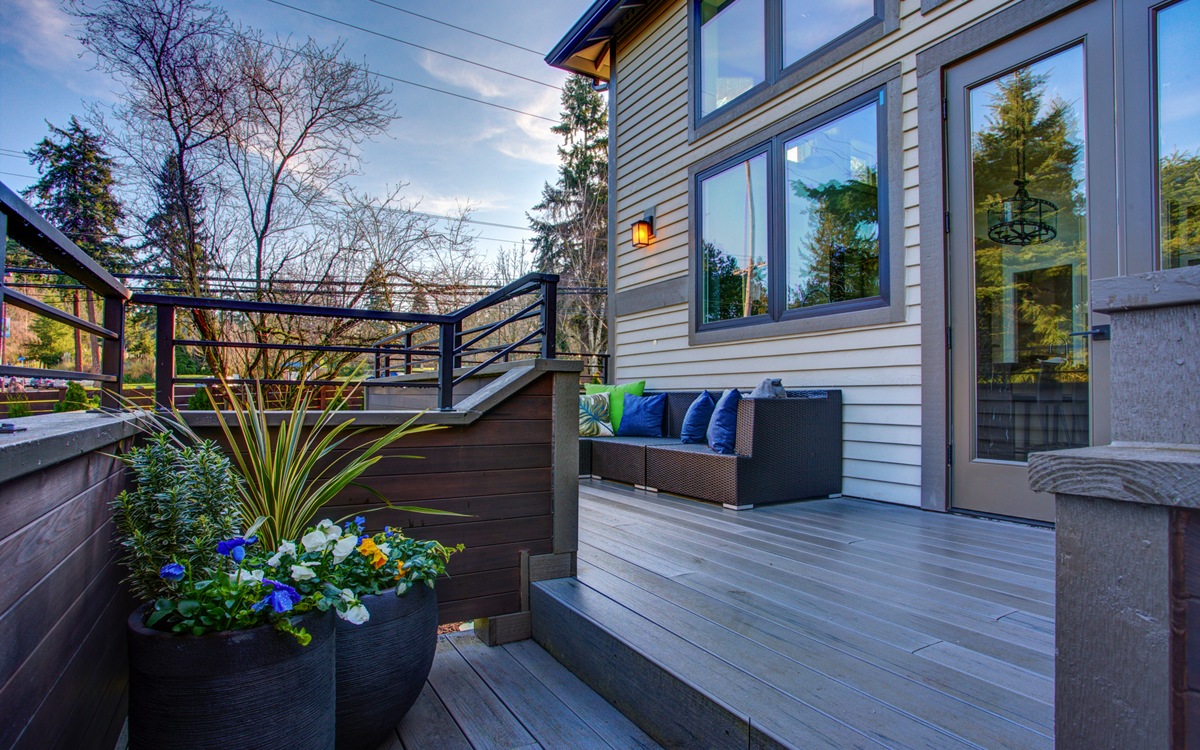
Our dry summers and wet winters give the East Bay a long painting season, and picking the right window keeps the timeline on track. The best time to paint house exterior surfaces here is spring through fall, when days stay mild and rain is rare. Temperature does most of the quiet work. According to Sherwin-Williams, exterior latex performs best between 50 and 90 degrees, and it needs to stay above the dew point for a full 48 hours after it goes on.
Heat matters just as much as cold. A 100-degree afternoon in direct sun invites real trouble. The film can skin over before it bonds to the surface, and then it peels months later. So we watch the forecast, start on the shaded side, and follow the shade around the house through the day. That habit protects the finish without padding the schedule.
How Long Does Exterior Paint Take to Dry
Drying time is where patience pays off the most. Most exterior coatings feel dry to the touch within a couple of hours. After about four hours in mild weather, they are ready for a second coat. Cool or humid days stretch that window even longer. Full cure is a slower story than surface dry. The paint can take up to 30 days to harden all the way through, even when it already looks and feels finished. Temperature, humidity, and the thickness of each coat all influence exactly how quickly a fresh exterior surface becomes durable.
So does how long exterior paint take to dry between coats really matter? Yes, more than almost anything else. Rushing the next coat is the fastest way to ruin good work. A second coat laid onto a first that has not set will trap moisture and weaken the bond. Because we respect the recoat window on every product we use, our professional exterior house painting holds up against California sun and winter rain.
What You Avoid by Planning the Timeline First
A surprise about the schedule is rarely a small one. Homeowners who skip the planning step tend to hit the same walls. A job drags on because nobody factored in the weather. A finish peels because the coats were rushed to save a day. A week of disruption arrives with no warning at all. Each one of those costs more in time and money than an honest talk at the start ever would. Planning the timeline first replaces that uncertainty with a clear schedule the whole household can see and prepare around. When you know the calendar going in, you can move the cars and plan around the noise. Then you get to watch the work come together with confidence instead of worry.
Get a Clear Painting Timeline From Woodiwiss Painting
Your home does not have to be a question mark on the calendar. Woodiwiss Painting gives Danville homeowners a day-by-day timeline before any work begins, built around your home’s size, condition, and the season. No vague promises, just a plan you can hold us to.
Call 925-489-0941 today to book a free on-site estimate. We will walk your home with you, point out what the prep will involve, and tell you how many days your project should take. Clarity is the first thing we hand you. For more on what the work covers, see our exterior house painting services, and then reach out before the first brush touches your siding.