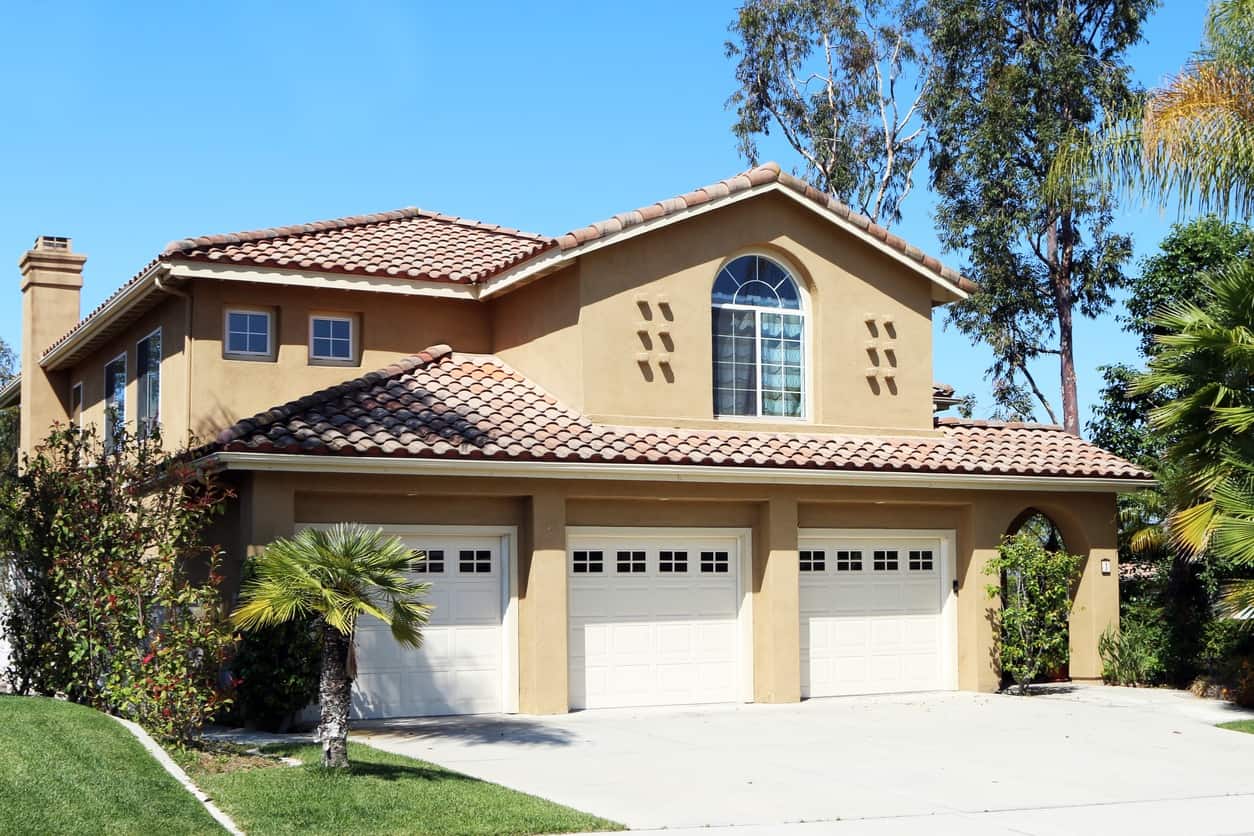
I have painted houses across Danville since 2004, and exterior paint peeling is almost always the sign a homeowner notices first. What most people do not realize is that peeling is rarely where the trouble starts. Most exterior paint problems follow a slow, predictable pattern, and by the time paint lifts off the wall, the real cause has usually been at work for months. The gap between catching that pattern early and missing it is the gap between a repaint and a repair bill. This post walks through the warning signs in the order they tend to appear, so you can tell the cosmetic ones from the expensive ones. When it is time for exterior house painting in Danville, CA, knowing what you are actually looking at is what keeps you in control of the cost.

Why Exterior Paint Problems Are Easy to Misread
Here is the honest part most homeowners never hear. Two walls can look almost the same from the driveway and need two completely different fixes. One needs a fresh coat. The other needs the moisture source found and corrected first. The paint is a messenger, not the problem itself.
Paint sits on the outside of your home and takes the full hit from sun, rain, and swings in temperature. When it starts to break down, it is telling you something about what is happening underneath. Read the message correctly and you spend in proportion to the actual issue. Read it wrong and you either overpay for work you did not need, or you pay twice for work that did not hold.
That single misread is the most common way homeowners lose money on the outside of their house.
The Warning Signs, in the Order They Show Up
Exterior paint rarely fails all at once. It moves through stages. Learning the sequence is what lets you act while the fix is still small.
| Stage | What you see | What it usually means |
|---|---|---|
| Early | Faded color, chalky residue on your hand | The paint film is breaking down from age and sun |
| Building | Fine, web-like cracks in the surface | The film has lost flexibility and water can now get in |
| Active | Bubbles or blisters under the paint | Moisture is trapped behind the film and pushing out |
| Late | Peeling and flaking, bare patches | The bond is gone, and the surface underneath is exposed |
| Serious | Dark mildew spots, soft or spongy wood | Moisture has reached the substrate and may be causing rot |
A few of these deserve a closer look, because they are the ones people tend to wave off.
What These Signs Are Actually Telling You
Almost every serious exterior paint problem traces back to one thing: water in a place it should not be. According to Purdue University extension research on paint failure, moisture blisters run all the way down to the wood surface, then dry out, collapse, and turn into peeling. The water often comes from inside the wall, moving out through the siding, not just from rain on the outside.
Sherwin-Williams points to the same root cause and lists the usual entry points: worn caulking at joints and corners, clogged gutters, and interior moisture pushing through the walls. This is why scraping and repainting a peeling spot so often fails. The paint was never the problem. The water still is.
Peeling paint on house exterior surfaces, in other words, is a symptom. Treat only the symptom and it returns on the same wall, on roughly the same timeline. That is why exterior paint peeling so often reappears months after a quick scrape-and-recoat.
When It Is Cosmetic, and When It Gets Costly
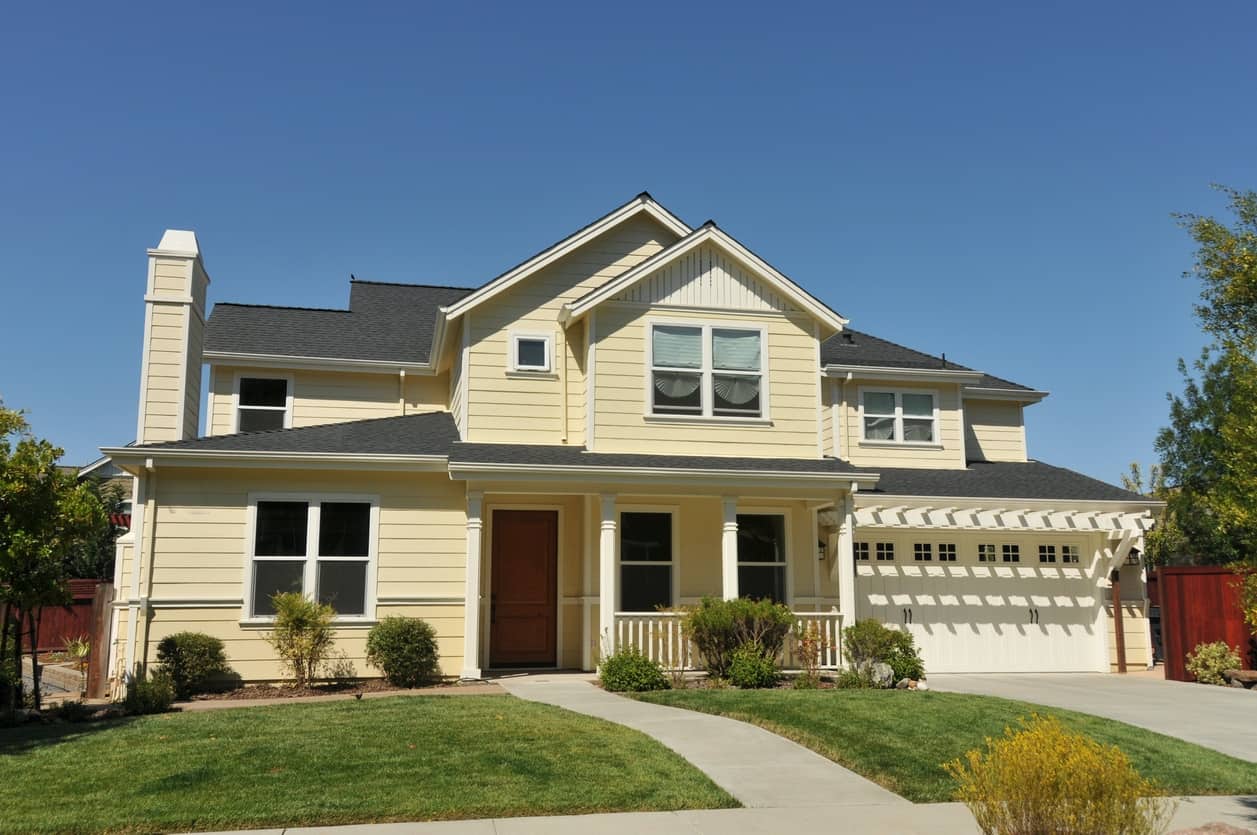
Not every warning sign is an emergency. Some are genuinely surface-level and a clean repaint handles them. The trouble starts when a moisture-driven sign gets treated like a cosmetic one. Here is the split that matters for your wallet.
| The sign | Likely a repaint | Likely needs repair first |
|---|---|---|
| Faded or dull color | Yes | No |
| Chalky residue | Yes | No |
| Hairline surface cracks | Usually | Only if cracks are deep or wide |
| Bubbling or blistering | No | Yes, find the moisture source |
| Recurring peeling in one spot | No | Yes, the cause is still active |
| Soft wood, dark staining | No | Yes, possible rot and board replacement |
The cost difference is not small. A repaint is a planned, predictable expense. Rotted siding, replaced trim boards, and warped fascia are a different category of bill, and they only get larger the longer the moisture sits.
How Often Exterior Paint Should Be Repainted
Timing is your cheapest form of protection. A coat of exterior paint does not last forever, and the sooner you repaint a tired but still-sound surface, the less chance a small issue has to turn into a structural one.
Sherwin-Williams places the general range at seven to ten years, with the exact timeline depending on climate, surface condition, and the quality of the last job. Material matters too:
Homes across Danville, Walnut Creek, and Alamo take a lot of direct afternoon sun, and sun is one of the fastest ways a finish fades and chalks. If it has been more than seven years since your last exterior paint job, the surface is worth a look even if nothing obvious is wrong yet.
What Happens If You Paint Over the Problem
This is the part I get called about most, usually a season too late. A homeowner sees peeling, scrapes the loose paint, and rolls a fresh coat over it. The wall looks great for a few weeks. Then the same spot blisters and lifts again, because the moisture underneath never went anywhere.
Now there are two bills instead of one. The failed paint job, and the repair that should have come first. The wall was trying to tell you something, and the fresh coat just muffled it. Painting over active moisture does not buy time. It buys a bigger invoice.
How I Would Approach It in Three Steps
You do not need to diagnose everything yourself. You do need to look before you spend. Here is the approach I walk homeowners through.
Homeowners in Orinda and the nearby areas get the same read. The goal is never to sell you the biggest job. It is to match the fix to what the wall is actually doing.