Maintaining the exterior of your home is essential for preserving its appearance, value, and structural integrity. One of the most common aspects of exterior home maintenance is repainting. However, many homeowners wonder how often they should repaint their house exterior. The answer isn’t one-size-fits-all; it depends on various factors that influence the frequency of repainting house exterior. Understanding these key factors can help you plan your maintenance schedule, save money, and keep your home looking its best.
In this blog, we’ll explore the facts that influence the frequency of repainting house exterior, highlighting the essential considerations for maintaining a beautiful and durable home exterior.
Facts That Influence the Frequency of Repainting House Exterior
1. Climate and Weather Conditions
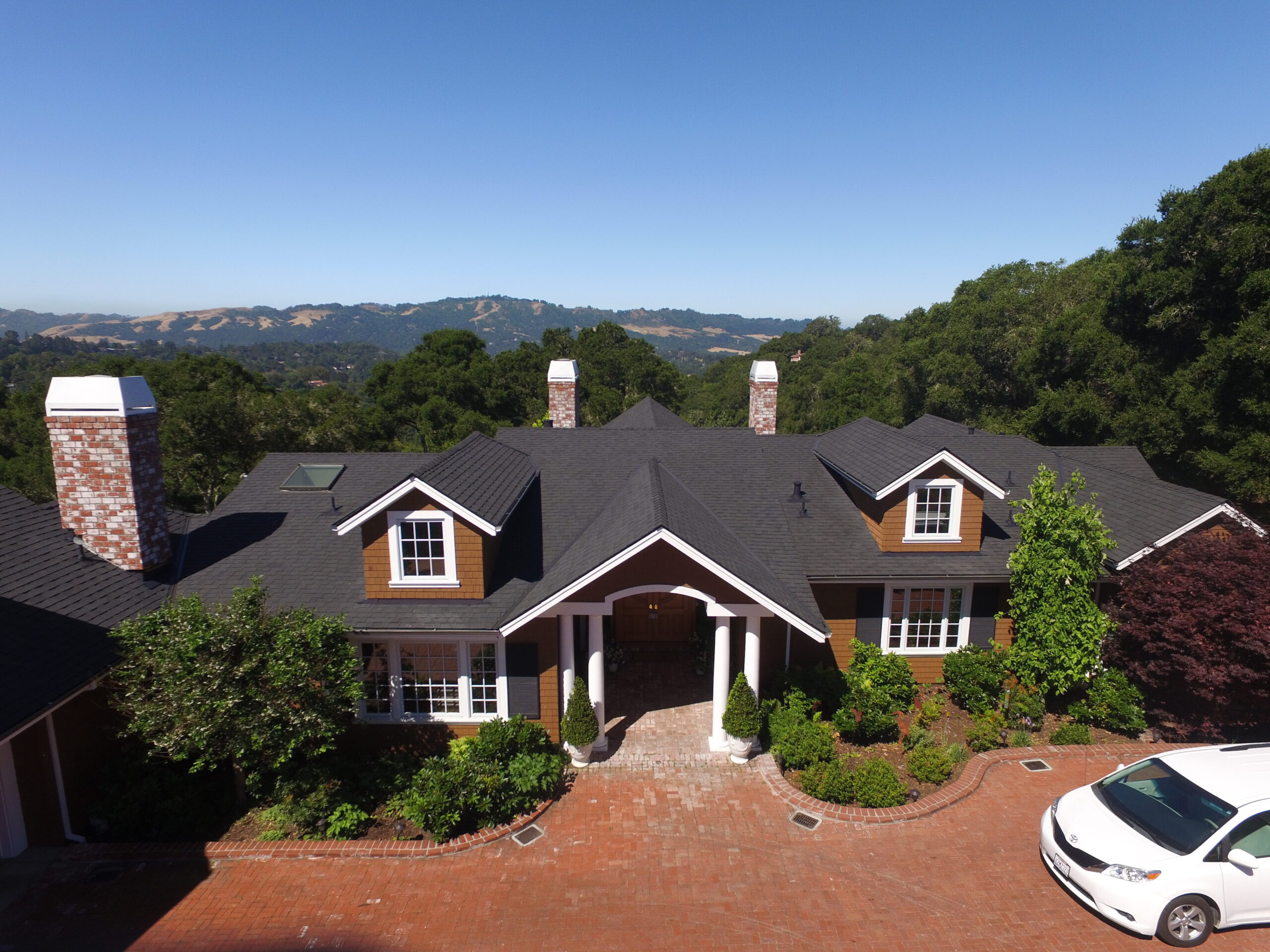
One of the most significant factors affecting how often you need to repaint your house exterior is the local climate. Exposure to harsh weather conditions accelerates paint deterioration, necessitating more frequent repainting.
- Sun Exposure: Ultraviolet (UV) rays from the sun break down paint over time, causing fading, chalking, and loss of adhesion.
- Rain and Humidity: Moisture can lead to paint peeling, bubbling, or mold growth if not properly protected.
- Temperature Fluctuations: Extreme temperature changes cause expansion and contraction of the exterior materials, leading to cracking or peeling paint.
Fact: Homes in hot, sunny, and humid climates often require repainting every 5-7 years, whereas homes in milder climates may go 10 years or more between paint jobs.
2. Quality of the Original Paint Job
The longevity of your exterior paint depends heavily on the quality of the paint used and how well it was applied.
- High-Quality Paints: These contain better binders and pigments, offering longer-lasting color and protection.
- Proper Application: Skilled application, including surface preparation, priming, and multiple coats, significantly extends the lifespan.
Fact: A professional, high-quality paint job can last up to 10 years, while cheaper, DIY applications might need repaints every 5-7 years.
3. Material of the Exterior Surface
Different exterior materials have varying durability and paint adhesion qualities, influencing repainting frequency.
- Wood Siding: Tends to require more frequent repainting (every 3-7 years) due to rot, insects, and weathering.
- Vinyl Siding: Usually requires less frequent repainting, often only when changing colors or if fading occurs, typically every 8-12 years.
- Stucco or Masonry: These materials are durable, but paint may need refreshing every 5-10 years due to chipping or fading.
Fact: The material type directly impacts how often repainting is necessary, with wood generally needing more frequent attention than vinyl or masonry.
4. Maintenance Habits
Regular maintenance can significantly extend the life of your exterior paint.
- Cleaning: Washing the exterior annually removes dirt, mold, and mildew, preventing premature deterioration.
- Touch-ups: Fixing small cracks or peeling paint early prevents larger problems and prolongs the overall paint job.
- Repairs: Addressing underlying issues like rot or moisture intrusion before repainting ensures better adhesion and longer-lasting results.
Fact: Well-maintained exteriors may only need repainting every 8-10 years, compared to 5-7 years without proper upkeep.
5. Condition of Existing Paint
The current state of your house’s exterior paint plays a direct role in determining if a repaint is necessary.
- Peeling or Chipping Paint: Indicates that the current coat is failing and needs to be refreshed.
- Fading or Discoloration: Loss of vibrancy suggests the need for repainting to restore curb appeal.
- Mold or Mildew Growth: Needs cleaning and repainting with mold-resistant paint to prevent health issues and damage.
Fact: If your existing paint shows signs of deterioration, it’s best to repaint sooner rather than later to protect your home’s surface.
6. Exposure to Sun and Wind
Homes exposed to constant sunlight or strong winds tend to require more frequent repainting.
- Sun Damage: UV rays weaken paint bonds over time.
- Wind and Dust: Wind carries dirt and debris that can abrade paint surfaces, leading to faster deterioration.
Fact: Houses in open, windy areas may need repainting every 5-8 years to maintain their appearance and protection.
7. Color Selection and Finish
The color and finish you choose can influence how often you need to repaint.
- Dark Colors: Absorb more heat and UV rays, fading faster and potentially requiring more frequent repainting.
- Light Colors: Reflect sunlight and tend to maintain their vibrancy longer.
- Finish Type: Glossy finishes may show imperfections more readily but are more durable, while matte finishes can fade faster.
Fact: Lighter-colored paints with durable finishes tend to last longer, reducing repainting frequency.
8. Environmental Factors and Pollution
Urban environments with higher pollution levels or proximity to industrial areas can accelerate paint aging.
- Air Pollution: Pollutants can cause paint to chalk, discolor, and degrade faster.
- Salty Air: Homes near the coast experience salt exposure, leading to faster corrosion and paint breakdown.
Fact: Homes in polluted or coastal areas often need repainting every 4-7 years to maintain their appearance and protective qualities.
9. Personal Preference and Aesthetic Goals
Some homeowners prefer to keep their homes looking fresh and modern, prompting more frequent repainting.
- Trendy Colors: Popular color trends may encourage repainting every 5-7 years to stay current.
- Curb Appeal: Regular updates can increase property value and neighborhood appeal.
Fact: Your aesthetic goals and personal preferences influence how often you decide to repaint your house exterior.

Conclusion
Understanding the facts that influence the frequency of repainting house exterior helps homeowners plan their maintenance effectively. Factors such as climate, material, paint quality, and upkeep habits all play vital roles in determining how often a repaint is necessary.
If you live in a harsh climate or your current paint shows signs of aging, it’s wise to schedule a repaint sooner to protect your home’s structure and appearance. Conversely, proper maintenance and high-quality paint can extend the lifespan of your exterior paint, saving you money and effort in the long run.
Regular inspections and timely touch-ups are key to maintaining a beautiful, durable exterior that enhances your home’s curb appeal and value. When in doubt, consult with professional exterior painters who can assess your home’s specific needs and recommend the best repainting schedule.
Need help deciding when to repaint your deck and fence in your home? Let the experts at Woodiwiss Painting guide you. Our team offers top-tier deck and fence painting services.
Call us at 925-489-0941 today to schedule your free consultation.